LONDON ISLAND PLANNING
Island and urban-space planning within the cartoon London setting.

A physics-driven duck explores a London-inspired world.

Yellow Duck: A Drifting Adventure is a cartoon-style exploration project built in Unreal Engine 5, centered on a rubber duck in London.
I am the producer and lead designer, with a focus on world design, environmental interaction and production tools. The project is in development and targets Steam and other platforms.
Island and urban-space planning within the cartoon London setting.
Level iteration focused on a city-backyard area.
Five vertical exploration layers and varied POI scales structure discovery.
Exploring vegetation and sand rendering, alongside AI-assisted character art.
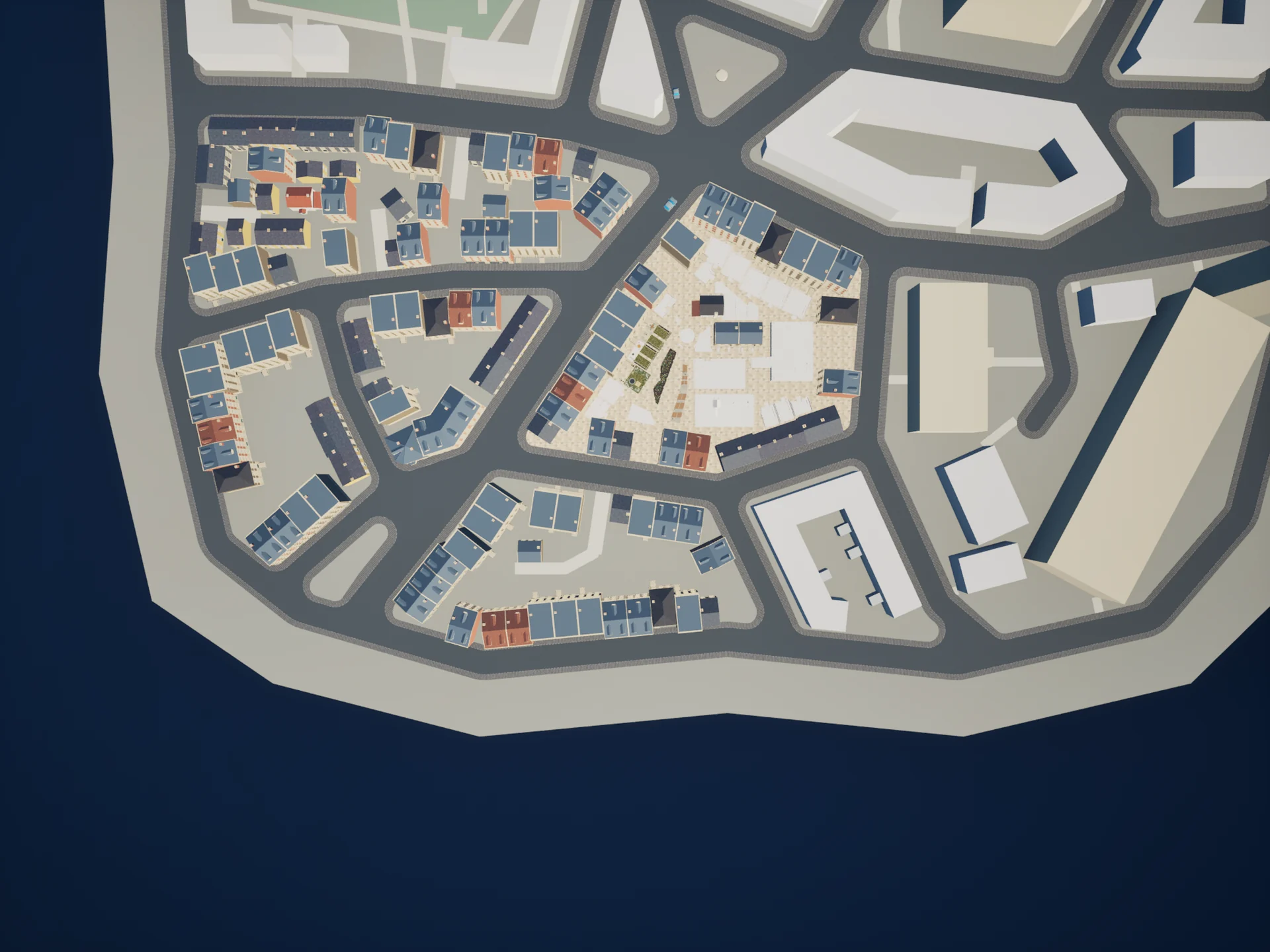
Five districts structure the island: Residential, CBD, Hyde Park, Westminster and Piccadilly. Landmarks, roads and district scale establish its spatial framework.
Production progresses from a 2D master plan and early city massing to refined blocks, rear wings and courtyards, followed by a residential art pass.
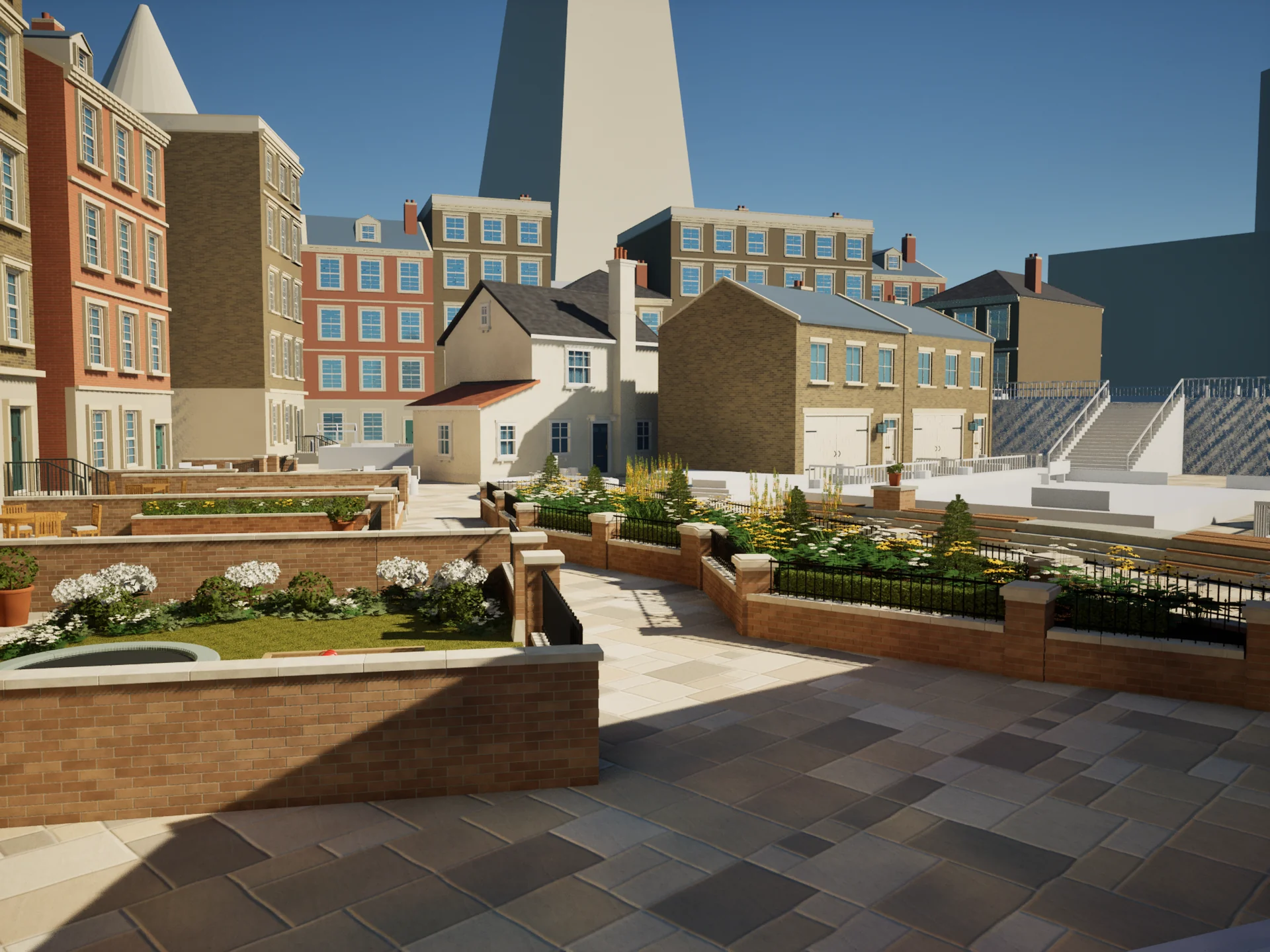
Streets connect buildings and districts. Squares offer open nodes for pausing, observing and choosing a route. Enclosed courtyards support local activities and detailed exploration at a more intimate scale.
Courtyard iteration moves through divisions, public-space refinement and boundary adjustments before a local art pass. These functions describe design intent, not a claim that every activity is implemented.
Five exploration layers connect waterways and underground spaces, ground level, interiors, building exteriors and rooftops. They structure routes rather than form five sequentially unlocked maps.
Small POIs provide brief discoveries, medium POIs support specific activities, and large POIs act as regional landmarks. Design targets call for strong feedback about every 30 seconds, subtle feedback every 5–10 seconds, and 1–2 visible medium POIs or other cues where possible. These are targets, not completed playtest results.
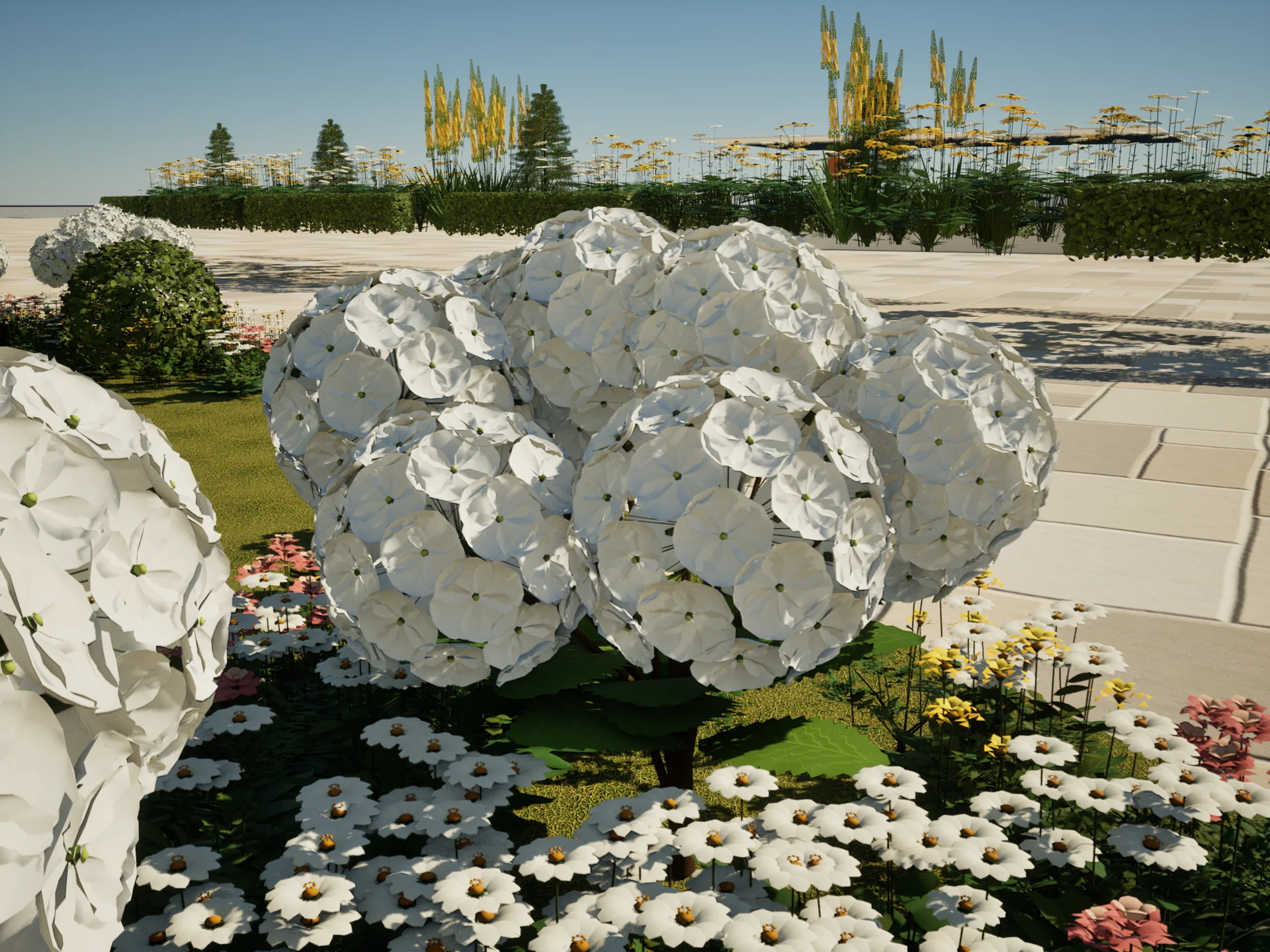
The foliage comparison uses the same scene, camera and full-detail conditions. Nanite runs at approximately 40.4 FPS, against 4.7 FPS for traditional LOD0. Tests use an RTX 3060 Laptop, 32 GB RAM, 1707 × 1067 resolution and the UE 5.8 editor, with three 12-second samples per mode.
Sand experiments compare Nanite tessellation, dense-mesh WPO and POM. The first two produce geometric deformation, with measured depressions of 25.17 cm and 25.45 cm. POM provides visual depth with no geometric depression.
With one moving model, the three sand approaches run at approximately 58.6, 76.4 and 82.4 FPS respectively. The current approach uses Nanite foliage and dense-mesh WPO sand to balance the required geometry with measured performance.
These results belong to a specific editor scene and are not benchmarks for a packaged game or other hardware.
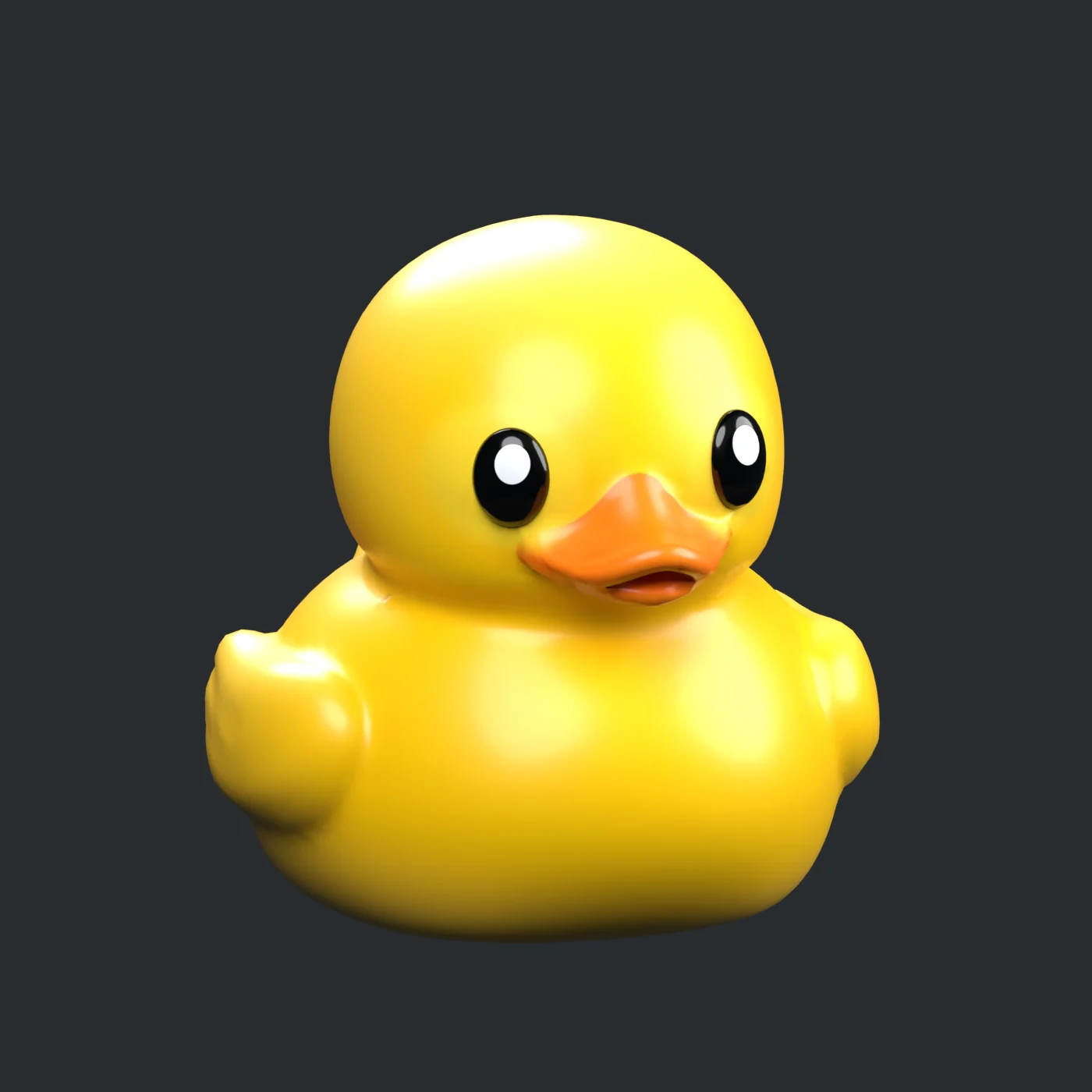
Tencent Hunyuan 3D provides a first-pass character model, followed by AI-agent-assisted retopology and baking across Blender, skeleton import and engine material work.
The Hunyuan first pass has 49,988 triangles and 27,809 vertices. The current game model has 18,874 triangles and 9,443 vertices, with mainly quad retopology, followed by texture baking, skeleton import and UE material setup. The image below is a Blender model render.