OBJECT INTERACTION
Mechanics prototyping around Ultrahand and Fuse.
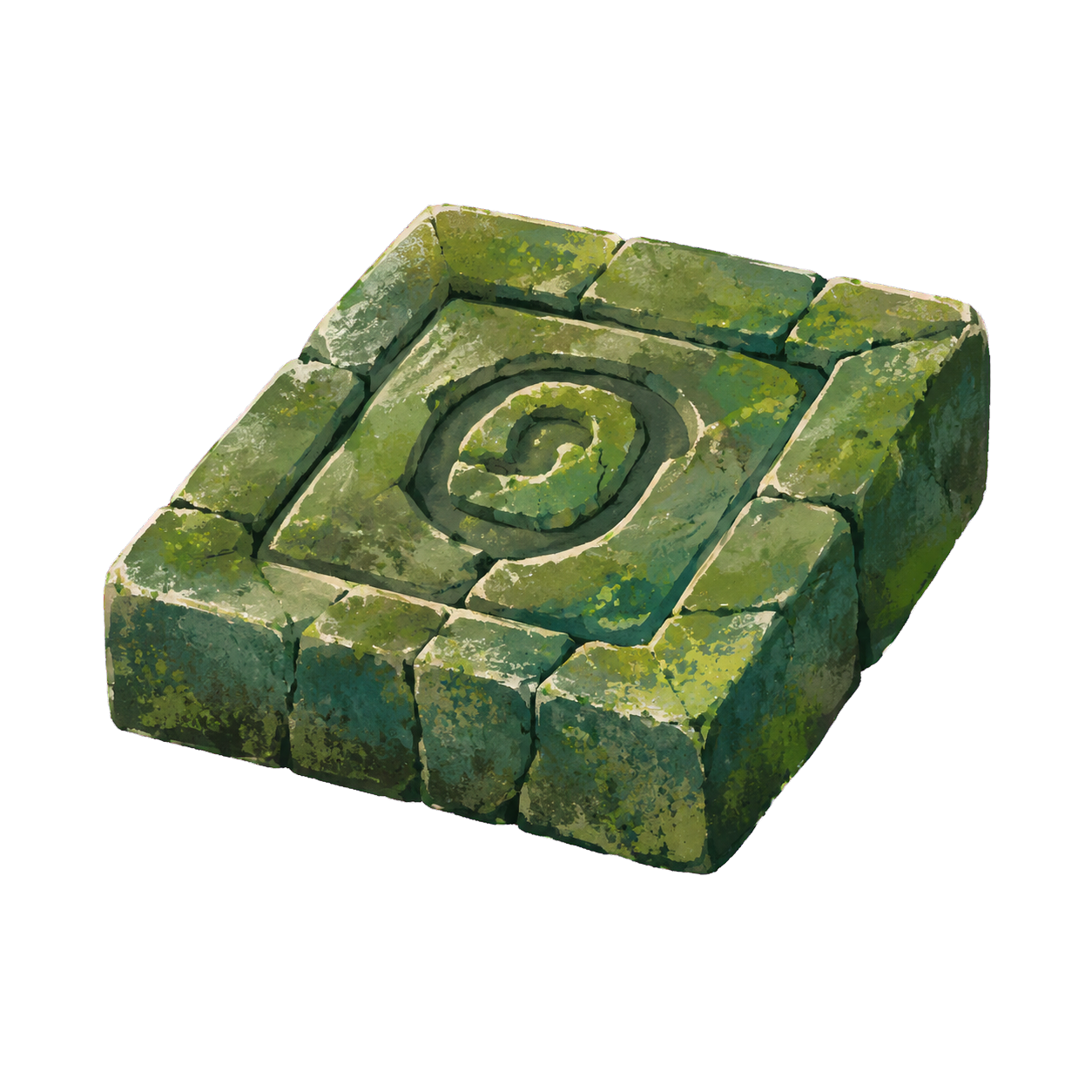
Object manipulation, combined puzzles and an original acceleration mechanic.
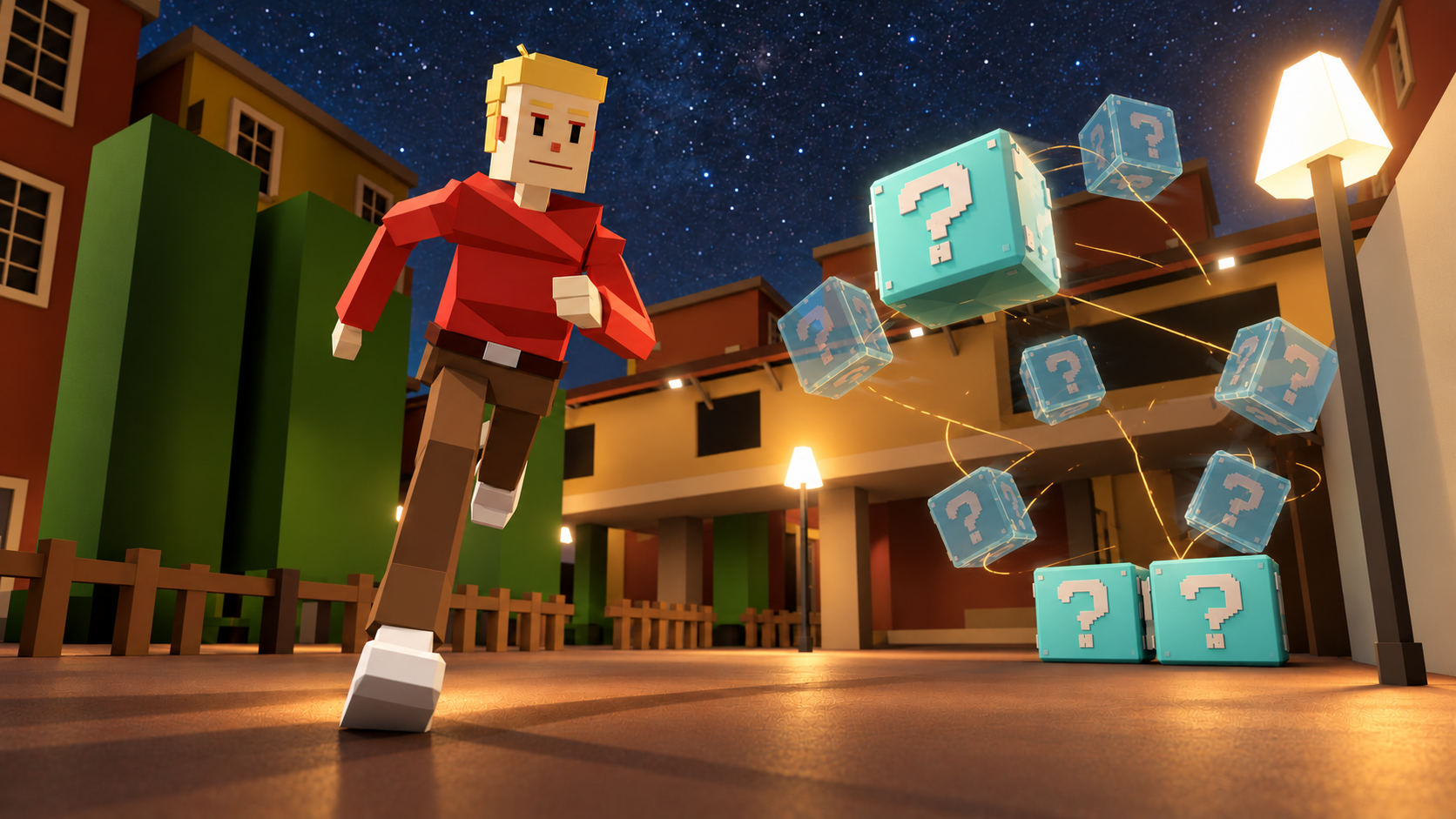
A student prototype of Tears of the Kingdom-inspired grab, attach and rewind mechanics, with an original acceleration mechanic.
Progressive Blueprint puzzles teach the controls first: pressure plates, grabbing and rotation, then Recall to restore a path, before combining attachment and acceleration to break barriers.
Mechanics prototyping around Ultrahand and Fuse.
Studying Recall and exploring an original acceleration mechanic and combination puzzles.
A camera trace selects the object the player is looking at. A Physics Handle grabs and moves it. Rotation combines 45-degree steps with the player orientation, linking placement to the current viewpoint.
Grabbing and rotation are introduced before they become the basis for attachment, rewind and barrier puzzles.
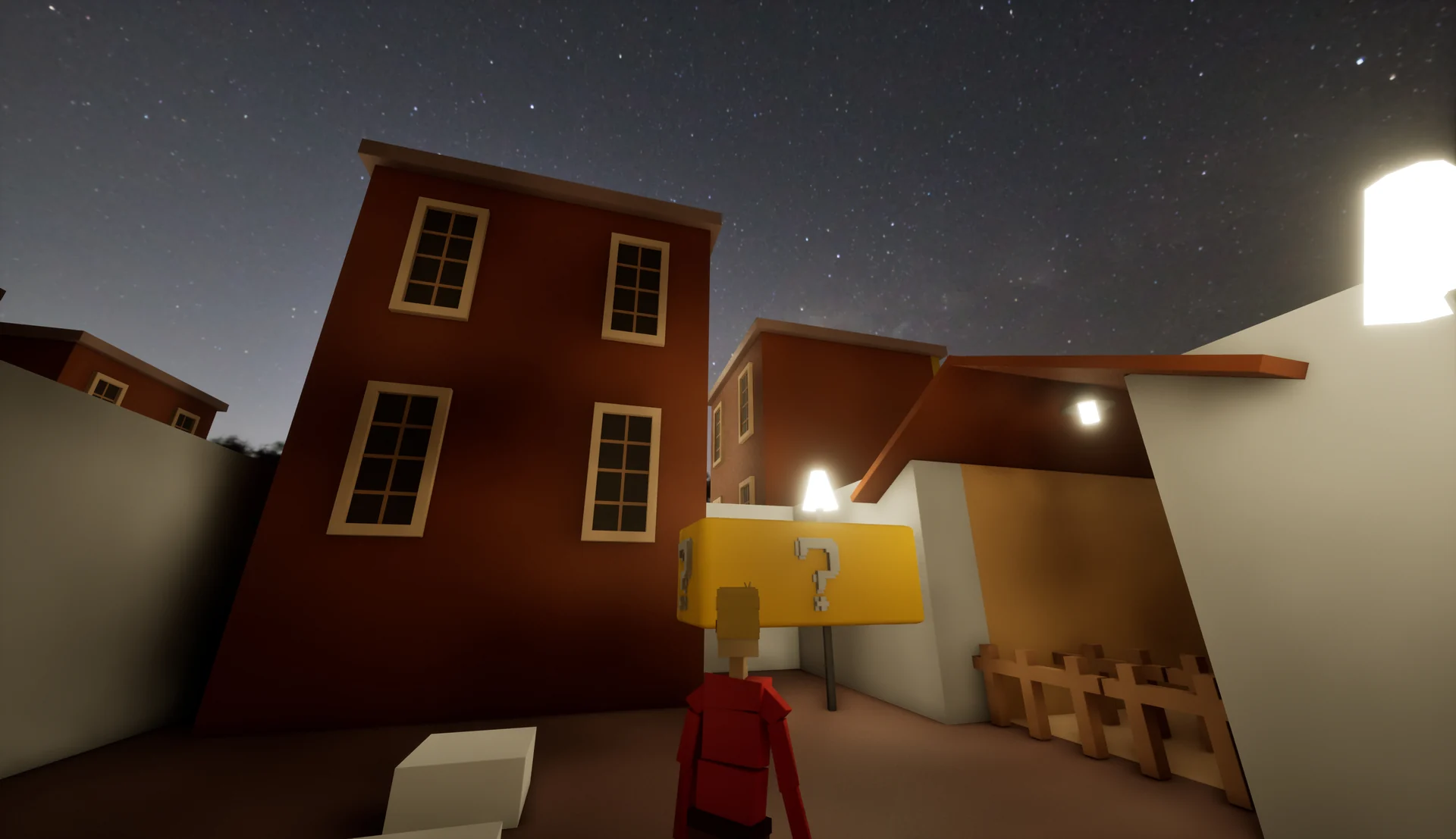
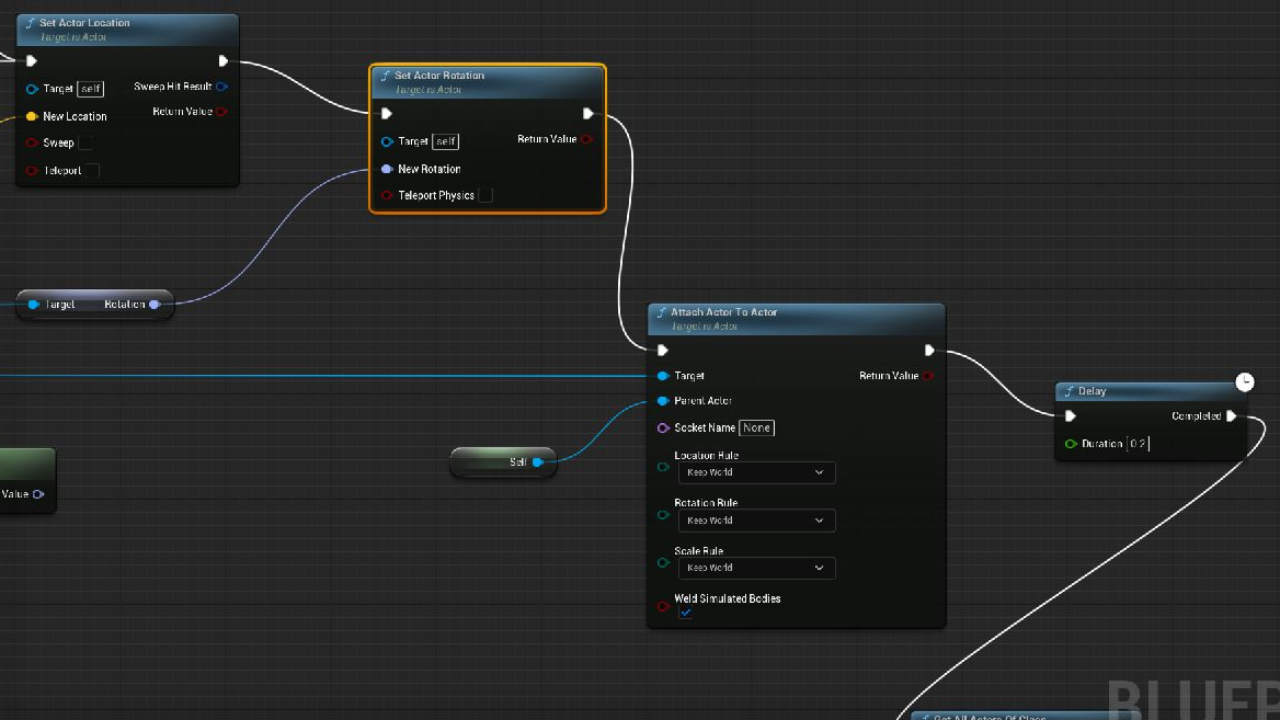
CubeStickPoint attachment points align the positions and rotations of two objects. Parenting holds the assembly together until the objects are detached.
Fuse here is the object-attachment mechanic required by the brief. Later puzzles combine objects into a heavy assembly and use acceleration to break an obstacle.
TimeComponent records historical frames, including object transforms and velocities. Recall restores those states in reverse order, returning an object through its previous motion.
The level uses Recall to restore a route. It works alongside grabbing and attachment as part of the puzzle sequence.
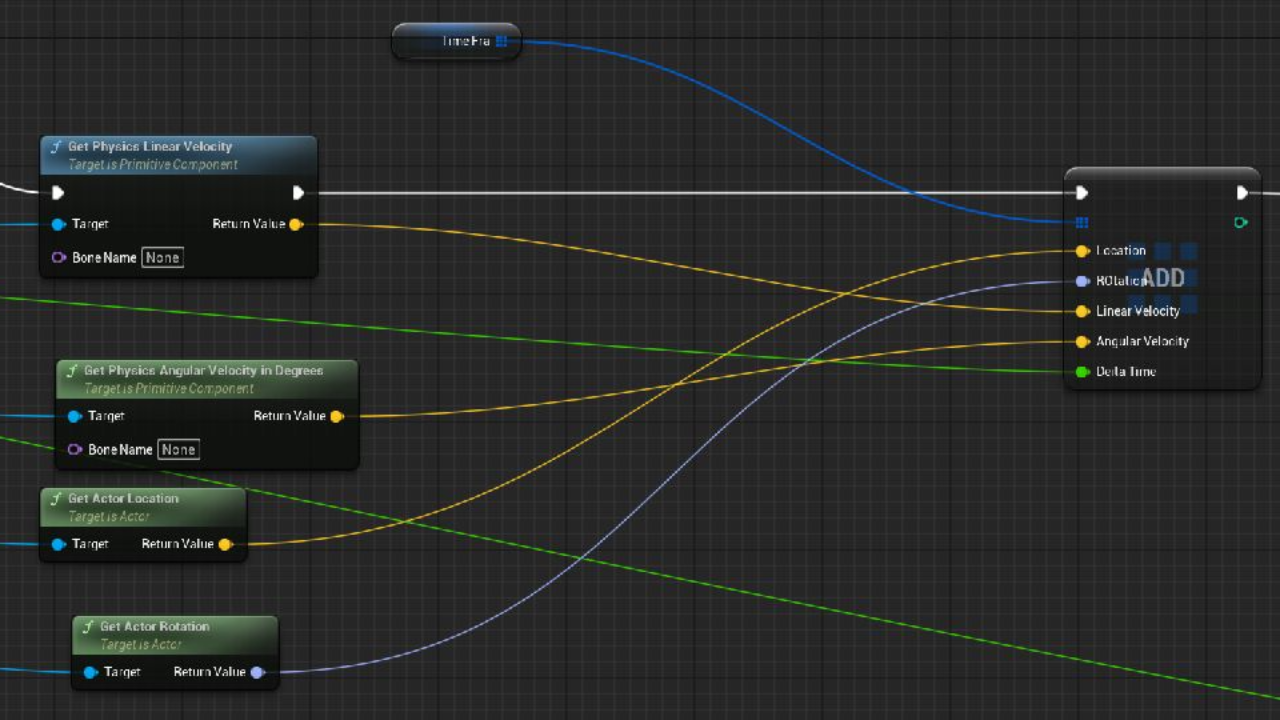
The original acceleration mechanic changes motion speed through global time dilation. Grab movement updates separately, so the acceleration branch adds a movement call to keep the assembly responsive.
This keeps attached heavy objects controllable while they are used to strike and break a level obstacle.
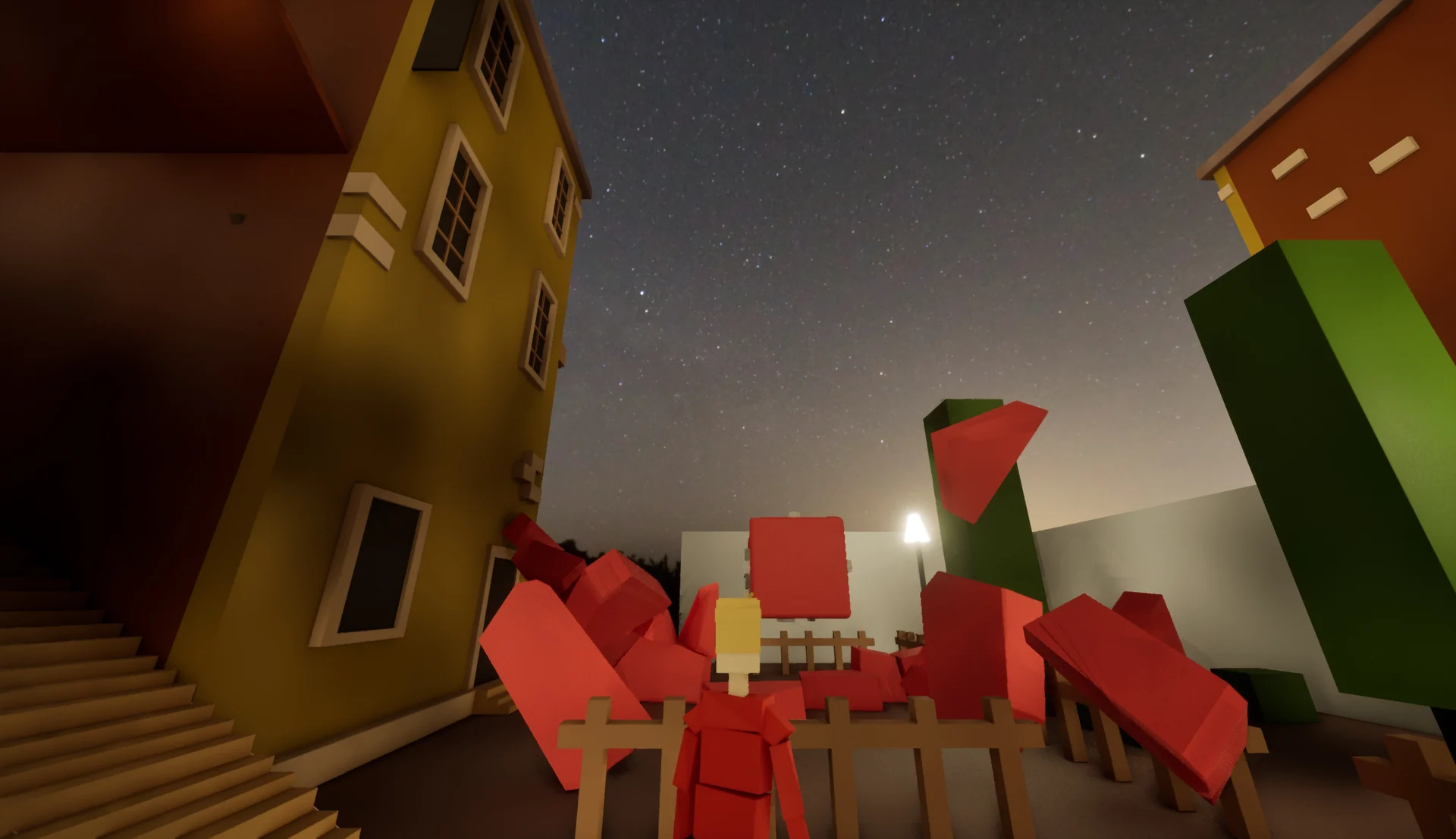
The sequence begins with a pressure plate that opens a door, then introduces grabbing and rotation. Recall restores a route, before the final puzzle combines attachment and acceleration to break a barrier.
Each stage introduces a control and its purpose. The final puzzle asks the player to use the previously introduced mechanics together.